Gun Sounds: Gun Simulator
- 4.6
- Rating
- 10.00M
- Installs
- Free
- Price

 Analysis by App-foxy
I spent time with Gun Sounds : Gun Simulator as a quick sound-based simulation game, and my first impression was clear: this is less about building a deep career or mastering a complex shooting system and more about exploring weapon-style audio in a playful, social way. The central appeal is immediate. You choose a sound, trigger it, and enjoy the effect without needing a long tutorial or a demanding campaign.
That simplicity is exactly why I can imagine recommending it to someone who wants a casual app for short sessions. It is also the reason I would not present it as a full shooting game. There is no need to approach it expecting the objectives, strategic decisions, or competitive depth found in a traditional action title. Its value comes from quick interaction, recognizable weapon sounds, and the possibility of using the phone as a harmless joke or soundboard when the situation is appropriate.
AA Studio Game is the developer behind this free simulation game. The app has reached over ten million installs and holds a 4.6 average from around 71 thousand ratings, which suggests that its straightforward concept has found a sizeable audience. It is marked for Everyone 10+, and it runs on Android 7.0 or later. The current version is 364, so users with older compatible devices still have a reasonable chance of trying it without needing a recent phone.
You May Also Like

 Blood Strike: 2.5 Anniversary
Blood Strike’s Loadouts Turn Every Drop Into a Tactical Gamble
A close look at Blood Strike’s custom loadouts: how fast access to signature weapons reshapes its battle royale rhythm, rewards preparation, and narrows the gap between fights.

 Pandora - Music & Podcasts
Pandora’s Music Is Easy to Start, but Harder to Recover
Pandora’s strength is its low-effort path from a seed to a station. Its weak spot is how much confidence it asks you to place in connection, setup, and quiet recovery.

 8 Ball Pool
 Is Built on Rivalries, Rematches, and Routine
A close look at the rivalries, rematches, shared routines, and unanswered safety questions that turn a quick pool match into a persistent mobile community.

 Samsung Music
’s Quiet Strength Is Playing What You Already Own
Its reach comes less from spectacle than from dependable access to a personal library. That simplicity is both the app’s strongest retention engine and its ceiling.

 AccuWeather: Weather Radar
AccuWeather Review: A Quick, Clear Forecast for Everyday Decisions
For everyday plans, the best forecast is the one you can understand quickly. AccuWeather makes rain timing, radar, and local conditions easy to act on, with a few trade-offs.

 Hill Climb Racing
Why Hill Climb Racing Still Turns Crashes Into One More Run
A tiny car, a bumpy hill and one more upgrade: Hill Climb Racing keeps resurfacing because its simple chaos makes every near-miss feel personal.
More From Our News Desk



How the first session feels and what gives it purpose
I’d judge the first session by whether the sound controls feel clear enough to use without explanation, especially if I’m handing the phone to someone else. Before turning it into a shared joke, I’d agree on where and how to try it; that small boundary keeps a novelty sound from becoming an alarming surprise.
Early goals are simple, but they are easy to understand
The first goal is not hidden behind a complicated progression tree. I opened the game with a very practical question: how quickly can I reach a sound, trigger it, and understand what makes the app different from a normal audio player? The answer is almost immediate. The interaction is built around choosing a gun-style sound and activating it, so the learning curve at the beginning is gentle.
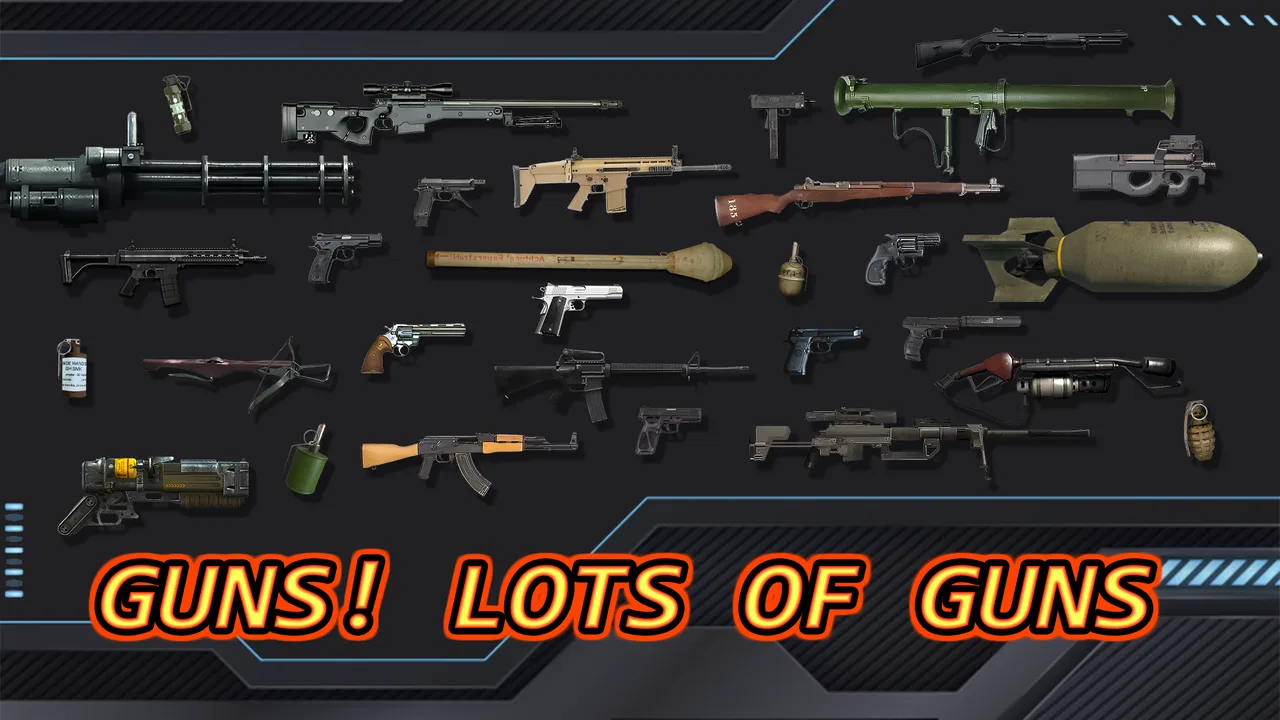
That makes the app accessible to people who are not regular gamers. A younger user can understand the basic idea quickly, while an adult may use it as a novelty app during a conversation with friends. The store summary presents it as a collection of real-gun-style sounds featuring examples such as AK47 and M4 sounds, but I found the more useful way to view it is as a compact sound simulator rather than a realistic firearms training tool.
The early experience works best when I treat each sound as a small experiment. I can compare how different selections feel, decide which ones are most convincing for a joke, and learn how much repetition I personally tolerate before the novelty fades. That is a more honest goal than pretending the app offers a long-form campaign.
One practical tip is to test the volume before using it around other people. A sound that feels moderate through headphones can be surprisingly intrusive through a phone speaker. I would also avoid using it in public places where a realistic gunshot effect could alarm someone. The app is designed for entertainment, but the context still matters more than the button press.
Progress signals come from discovery rather than a traditional campaign
In a conventional simulation game, progress might mean earning money, improving equipment, completing assignments, or unlocking a new area. Here, the sense of progress is lighter. I noticed it mainly through discovering which sounds suit different moments and learning how to operate the simulator smoothly. That can be enough for short sessions, but it does not create the same long-term motivation as a structured game with missions.
This distinction matters before downloading. If you want a clear sequence of goals and a satisfying sense of permanent advancement, a hunting simulator, shooting range game, or action game will probably give you more to work toward. If you want a fast collection of interactive effects, the lack of a demanding campaign becomes an advantage because there is less friction between opening the app and having fun.
The app’s free entry point helps here. I can try the basic experience without paying first, then decide whether it deserves space on my phone. Optional purchases range from $0.99 to $2.99 per item, so the financial commitment is relatively small if I choose to spend. Still, I would not buy anything until I had confirmed that the available sounds and the overall interaction matched my expectations. A sound simulator depends heavily on personal taste, and no purchase can turn a short novelty into a deep game.
The difficulty curve is almost entirely about attention
There is no steep mechanical challenge in the way I would find in a reflex shooter. The difficulty curve is therefore unusual: the app is easy to operate, but the real test is whether the sound variety and social use keep the experience interesting. That makes it friendly for casual users, yet it also means that experienced players may finish their curiosity quickly.
I see this as a deliberate trade-off rather than a flaw by itself. A simple interface is useful when the app is being passed between friends or used for a quick demonstration. Nobody wants to explain several controls before playing a sound. On the other hand, players looking for accuracy challenges, target practice, realistic reload routines, or tactical decision-making should choose a different type of simulation.
The easiest way to get more from it is to give each session a small purpose. I might compare several sounds through headphones, choose one for a harmless private joke, or use the app to test how my phone handles loud audio. Without that kind of personal goal, repeated tapping can feel empty. With it, the app becomes a small tool for experimentation rather than a game I expect to occupy an entire evening.
Retention pressure is low, which can be good or bad
Many mobile games use daily rewards, energy limits, competitive rankings, or constant notifications to pull players back. I would not approach this app expecting that kind of retention structure. Its appeal is more immediate and situational. I open it when I want the effect, play for a few minutes, and close it when the joke or curiosity is over.
For me, that low-pressure rhythm is one of its strongest qualities. It does not need to become a habit to justify its presence. A casual app can be successful if it works exactly when a user wants a quick distraction. The downside is that users searching for a long-term progression loop may interpret the same simplicity as a lack of content.
There is also a social responsibility angle that should not be ignored. A realistic gun sound can be funny among friends who understand the context, but it can be upsetting or dangerous to use near strangers, at school, in transport, or anywhere people may mistake the audio for a real incident. I would keep the volume controlled, avoid public pranks, and never use it to imitate an emergency. The age guidance of Everyone 10+ makes it suitable for a broad audience, but suitability still depends on responsible use.
Where it fits beside ordinary alternatives
The most obvious alternative is a regular soundboard. A standard soundboard may offer a wider mix of comedy effects, animals, vehicles, alarms, and voices, while this app focuses its identity on gun-style audio. If that specific theme is what I want, the focused approach is more convenient than searching through unrelated buttons.
A music or media player is a poor substitute because it is designed for continuous listening rather than quick sound triggers. A shooting game is a better alternative when I want targets, feedback, challenge, and a reason to keep improving. A realistic firearm training app would also be more appropriate for educational or technical goals, although this simulator should not be confused with professional instruction.
The comparison reveals the app’s proper place. It is not trying to replace a full game with missions. It is closer to an interactive novelty soundboard with a simulation label. That can be exactly right for a user who wants fast access to weapon-themed effects, but it will feel thin to anyone who measures value by campaign length or strategic depth.
Three practical ways to use it better
My first useful workflow is to test it privately before showing it to anyone else. I check the speaker volume, try the sounds with headphones, and decide whether the effect is amusing or simply too harsh. This prevents the common mistake of opening a loud sound app in a quiet room and discovering the volume problem at the worst possible moment.
My second tip is to treat the app as a short-session prop rather than a main entertainment platform. If I am planning a casual gathering, I can select a few sounds beforehand instead of scrolling aimlessly while everyone waits. That small bit of preparation makes the interaction feel intentional and reduces repetition.
My third insight is that the app works better when I separate novelty from realism. The sound may be convincing enough to create a reaction, but that does not make the simulator an accurate representation of handling a firearm. Keeping that distinction clear helps me use it responsibly and prevents unrealistic expectations about what the app can teach.
A fourth trade-off is worth mentioning for families. The age label makes the app accessible to users ten and older, but parents may still want to explain why imitating gunfire around strangers is not acceptable. The content rating answers one question about general suitability; it does not replace judgment about volume, location, or the feelings of people nearby.
What the version and purchase model mean in daily use
The current release is version 364, and the minimum Android requirement is 7.0. Those details make the app approachable for people who keep an older device as a backup or use a budget phone. I would still check available storage and system performance in the normal way before installing any app, especially on a device that already feels crowded, but the operating-system requirement is not aimed only at recent hardware.
The free model is the main reason I think the app is easy to recommend cautiously. There is no need to commit money just to understand the basic idea. The optional items priced between $0.99 and $2.99 each may be reasonable for someone who enjoys the simulator and wants additional content, but they are not a substitute for meaningful progression. I would consider them only after several sessions, not during the first launch.
Because the app’s core loop is so direct, advertisements or interruptions, if encountered, would matter more than they would in a long game. A brief disruption can break the joke or the timing of a sound. That is another reason I would use it in short, planned moments rather than expecting a seamless extended session.
Who should install it, and who should skip it
I think it suits casual users who enjoy sound effects, want a themed prank app for private use, or need a quick novelty experience that does not demand gaming skill. It is also a reasonable choice for someone who prefers trying a free app before deciding whether optional content is worth buying.
I would skip it if my main goal were firearm education, realistic training, competitive shooting, or a story-driven action game. I would also skip it if I dislike loud or repetitive audio, or if I am looking for a progression system that gives every session a measurable reward. In those cases, the app’s straightforward design will probably feel more limited than relaxing.
Parents and guardians should make the decision based on the child’s maturity and the intended setting, not only the age label. The safest use is private, controlled, and clearly framed as a sound effect. Public imitation is not worth the risk of frightening people or creating confusion.
My progression verdict
As a progression-focused game, this is modest. The early goal is easy to grasp, the progress signals come from exploring the available sound experience, and the difficulty curve stays gentle. That means the app does not build the escalating challenge that keeps me invested in a traditional simulation. Its retention strength is instead its convenience: I can return whenever I want a quick themed effect without maintaining a daily routine.
That design will satisfy some players and disappoint others. I appreciate that it does not force me to learn a complicated system before reaching the main interaction, but I also recognize that the novelty can wear off once I have heard enough sounds. The best value comes from occasional use, social timing, and responsible volume control rather than marathon play.
Overall, I see Gun Sounds : Gun Simulator as a focused, free simulation novelty from AA Studio Game. Its strong rating and large install base show that the concept connects with many users, but those signals should not be mistaken for evidence of a full-scale shooter. My recommendation is to try it for quick, private sound-based fun, not for deep gameplay or realistic training. If that is the experience you want, it is easy to understand and easy to test. If you need missions, meaningful unlocks, or a demanding challenge, a dedicated shooting or simulation game will be the better choice.
FAQs for Gun Sounds: Gun Simulator
01What is Gun Sounds: Gun Simulator, and what does it offer?
Gun Sounds: Gun Simulator is an app designed for firearm enthusiasts and gamers who enjoy realistic gun sound effects. It offers a wide range of authentic gun sounds from various weapons, including pistols, rifles, and machine guns. Users can explore different gun models and experience realistic firing sounds, making it a popular choice for sound simulation and entertainment.
02Is Gun Sounds: Gun Simulator free to use, and does it include in-app purchases?
Yes, Gun Sounds: Gun Simulator is free to download and use. However, it includes in-app purchases that allow users to unlock premium features, additional gun models, and remove ads. These purchases enhance the overall experience, but the basic version of the app still provides a substantial amount of content for users to enjoy.
03How realistic are the gun sounds in the app?
The app strives to provide highly realistic gun sounds by using high-quality audio recordings. Each gun model in the app has been carefully recorded to ensure the sound is as true to life as possible. Users often report that the sounds are very authentic, making it a favorite among those interested in firearms and sound simulations.
04Is Gun Sounds: Gun Simulator appropriate for all ages?
While the app itself does not contain any violent imagery or gameplay, it is focused on realistic gun sounds, which may not be suitable for younger audiences. Parents are advised to review the app and assess its appropriateness for their children. The app is generally rated for older children and adults due to its realistic sound effects.
05Can Gun Sounds: Gun Simulator be used offline?
Yes, Gun Sounds: Gun Simulator can be used offline, which allows users to access the app's features and sounds without an internet connection. This makes it convenient for use in various settings, whether you’re on the go or in an area with limited connectivity. However, some features may require a connection for updates or in-app purchases.
Pros
- Realistic sound effects enhance experience.
- Wide variety of weapons to choose from.
- Easy-to-navigate user interface.
- Fun for enthusiasts and casual users alike.
- Offline mode available for uninterrupted play.
Cons
- Contains ads that may interrupt gameplay.
- Limited customization options for users.
- In-app purchases can be pricey.
- Lacks multiplayer or social features.
- Not suitable for younger audiences.

Gun Sounds: Gun Simulator
Gallery